Planning an Accessible York Day Out
A needs-based checklist for checking venue access, using the Yorkshire Museum’s published facilities as a practical example.
Published
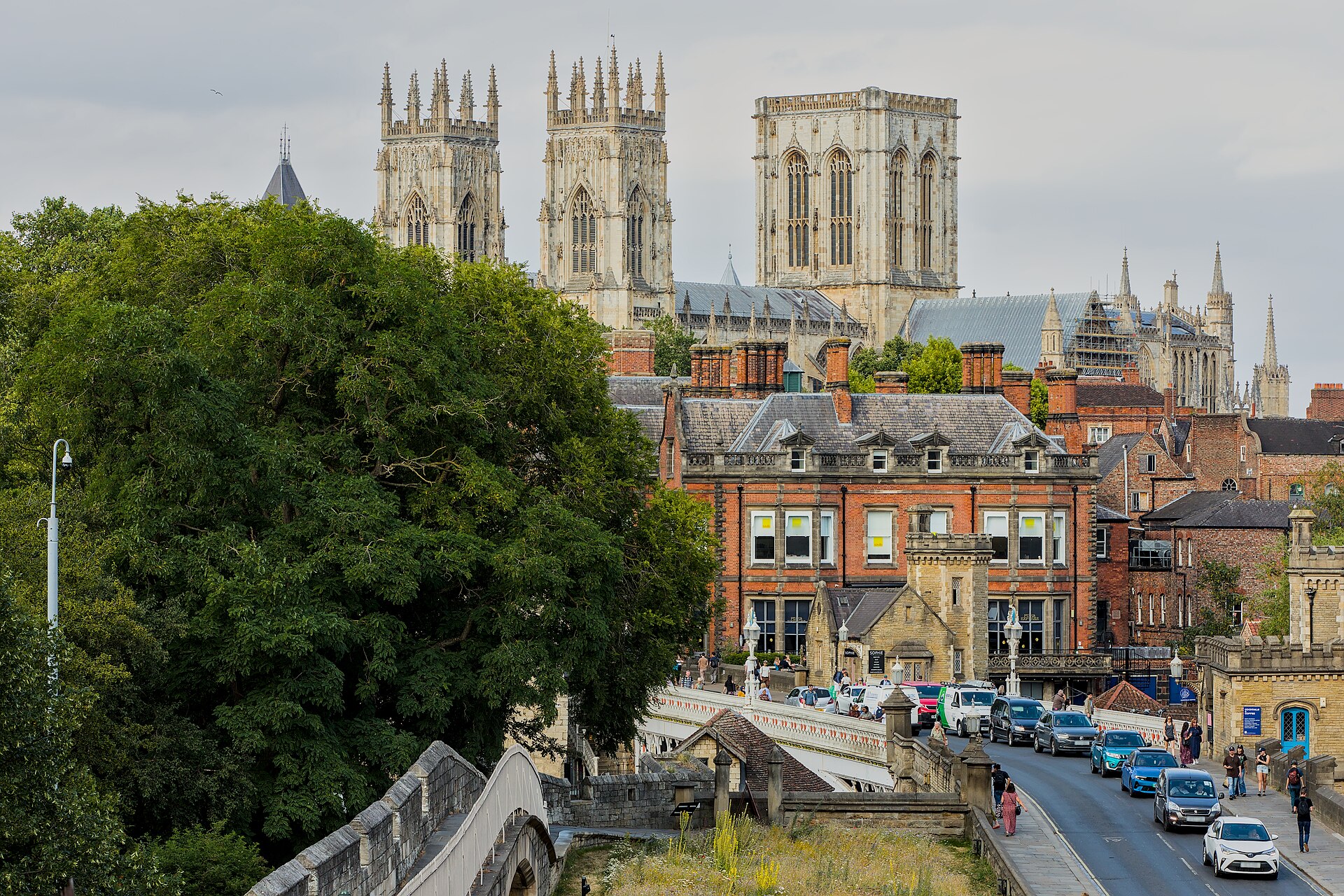

Planning an accessible York day out starts with matching each stop to your needs. Visit York, the city’s visitor information website, offers a service for finding accessible businesses, but explains that member businesses provide the accessibility details themselves. It recommends confirming specific features directly with venues. The Yorkshire Museum’s own information shows how to turn a broad access description into useful questions before you travel.[1][2]
Start With the Features You Need
Use Visit York’s accessibility search to find possible stops, then write down the conditions that would make each one workable for you. Be specific when contacting a venue. Asking whether your wheelchair can reach a particular gallery gives staff a clearer question than asking whether the building is accessible.[1][2]
- For mobility needs, ask about the entrance you should use, steps along your intended route, lift dimensions and places to sit.
- For hearing needs, ask what written information, captions or hearing support is available for the particular exhibition or activity.
- For sight needs, ask about the formats of interpretation, lighting and any assistance available during your visit.
- For sensory needs, ask about sound, lighting, quieter spaces and whether you can leave an activity and return.
Treat these as questions to answer before choosing a stop. A search result can help you find a venue, while a direct response should establish whether its arrangements fit the visit you actually want.[1]
Read the Yorkshire Museum’s Access Wording Closely
The Yorkshire Museum states that it has ramp access, that most spaces are accessible for pushchairs and wheelchairs, and that lifts serve most spaces. The word “most” matters. If a particular exhibition is your reason for going, ask whether you can reach every part of it using your intended entrance and route.[2]
For a wheelchair or mobility aid, provide its dimensions if clearance is a concern. Ask staff which spaces fall outside the published description and whether an alternative route exists. Before setting off, confirm that any lift you depend on is working. The museum directs visitors to its Access page for further details, so use that alongside a specific enquiry.[2]
The same page lists activity areas for playful and sensory learning. If you need a low-stimulation visit, ask separately about sound levels and somewhere to pause. An activity described as sensory learning does not establish that it will suit your sensory preferences.[2]
Plan Food and Rest Around the Museum’s Facilities
The Yorkshire Museum says it has no café and no indoor picnic area. Its families page suggests a picnic in Museum Gardens. If eating indoors is essential for your comfort, make a separate food stop part of the plan and confirm that venue’s access before relying on it.[2]
For an outdoor break in Museum Gardens, ask about the entrance, path surfaces and seating along the route you intend to use. The museum’s picnic suggestion alone does not establish those details. Keep an indoor alternative if your ability to rest or eat comfortably depends on the weather.[2]
Check toilet requirements explicitly too. The museum lists baby-changing facilities, but that statement does not establish an accessible toilet’s layout, equipment or suitability for your needs.[2]
Check the Journey Between Stops Separately
City of York Council’s Local Transport Strategy proposes a continuous network of walking and wheeling routes. That is a policy ambition rather than confirmation of the conditions along a particular journey. Check your arrival point, the route to the entrance and the return journey separately from the venue’s indoor access.[3][2]
If you’re using public transport, ask the operator about boarding with your mobility aid and any assistance you require. For a drop-off, establish where you can get out and how you’ll reach the entrance. Leave room in the itinerary to change a stop if a necessary feature cannot be confirmed.[1][3]
Before travelling, keep the venue’s answers with your booking information. Reconfirm the features your day depends on, especially lift availability and access to the exhibition you want to see. Visit York recommends direct confirmation, and the museum’s qualified wording gives you a clear starting point for that conversation.[1][2]
Sources and checks
These sources were used for this article. Availability, prices and service details can change after the stated check date.
- Plan Your Visit to York | Visit York
Checked 20 October 2026.
Visit York offers a service for finding businesses according to required accessibility features. Visit York member businesses provide their own accessibility details. Visit York recommends contacting venues directly to confirm specific features before visiting. The article’s needs-based questions implement that recommendation without asserting that particular facilities are available.
- Families at the Yorkshire Museum
Checked 20 October 2026.
The Yorkshire Museum states that it has ramp access. Its published wheelchair and pushchair access statement covers most spaces. It states that lifts serve most spaces and directs visitors to its Access page for further details. The museum lists activity areas for playful and sensory learning. The museum states that it has no café and no indoor picnic area. Its families page suggests picnicking in Museum Gardens. Baby-changing facilities are listed, without establishing accessible toilet specifications.
- Local Transport Strategy – City of York Council
Checked 20 October 2026.
City of York Council’s Local Transport Strategy proposes a continuous network of walking and wheeling routes. The cited statement describes a policy ambition and does not confirm conditions on a specific visitor route.